Spray-On Concrete
A polymer-modified cement overlay sprayed over existing concrete, then patterned and sealed to look like laid stone or brick.
Spray-on concrete is a thin polymer-modified cement overlay applied under pressure over your existing slab. It bonds to concrete, takes a stencilled or troweled finish, and is locked in with a coloured sealer.
The result is a continuous surface that looks like real laid stone or brick paving, without excavation, re-levelling, or re-concreting the area.
What the system is
The overlay is typically a few millimetres built up over a primed slab. Because it is bonded rather than laid, it follows existing falls, so water still runs where the original slab sent it.
Colour sits in the material and the sealer coats, so scuffs do not expose a grey substrate the way a painted finish does.
Where it works, and where it doesn't
Spray-on concrete is a resurfacing system, not a structural repair. It needs a sound base: surface wear, staining and hairline cracking are all normal and dealt with in prep, but a slab that is heaving, rocking or undermined needs concrete work first.
- We work with sound slabs with surface wear, oil marks, fading or hairline cracking
- Existing plain grey driveways, paths, patios and pool surrounds
- Areas where excavation would disturb gardens, retaining or reticulation
Sub-categories
Stencil Spray
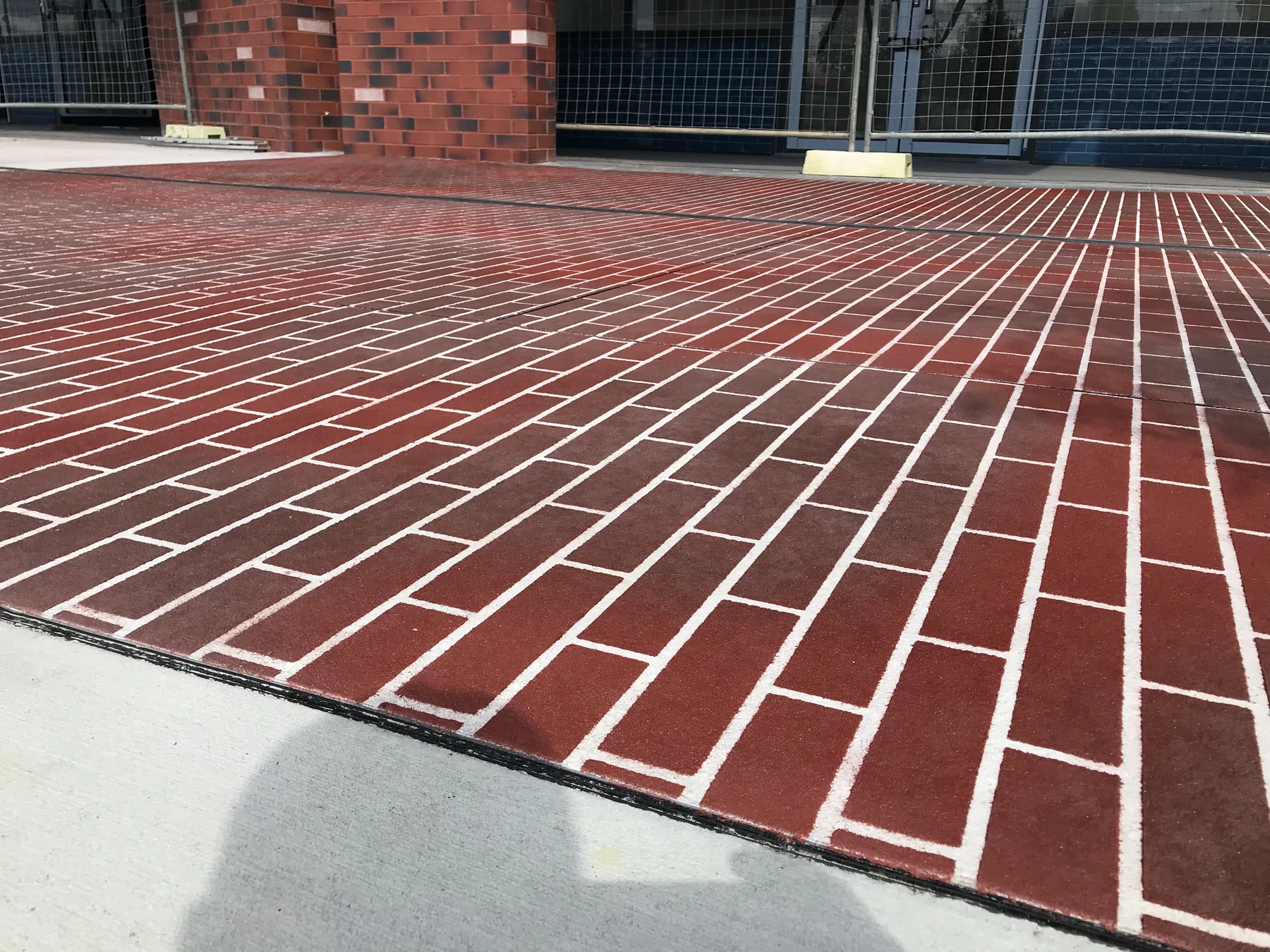
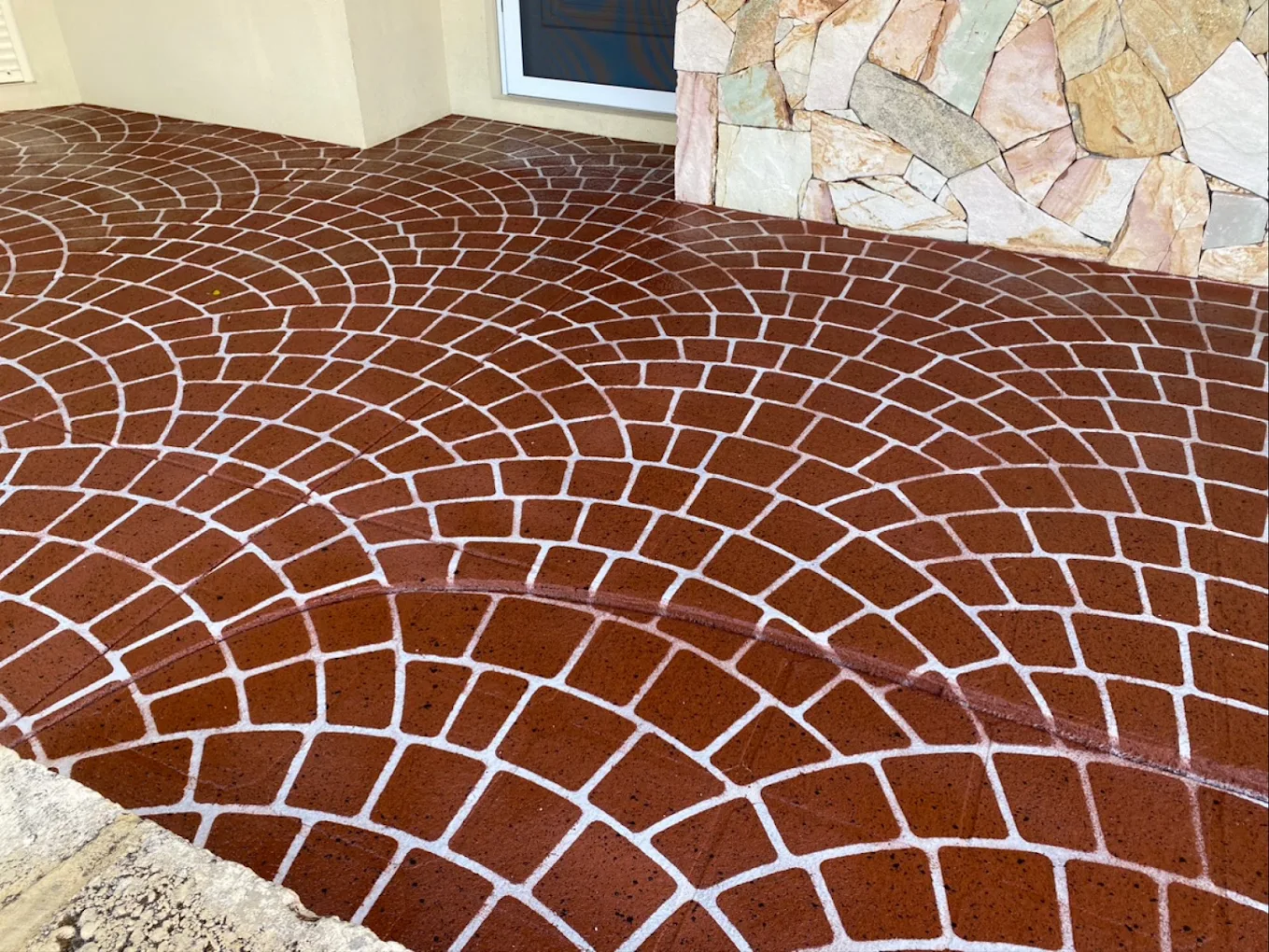
A stencil is laid over the base coat so the top colour forms brick, flagstone or tile patterns with contrasting joint lines. The most popular choice for driveways, paths and civil work.
Exposed Aggregate Style
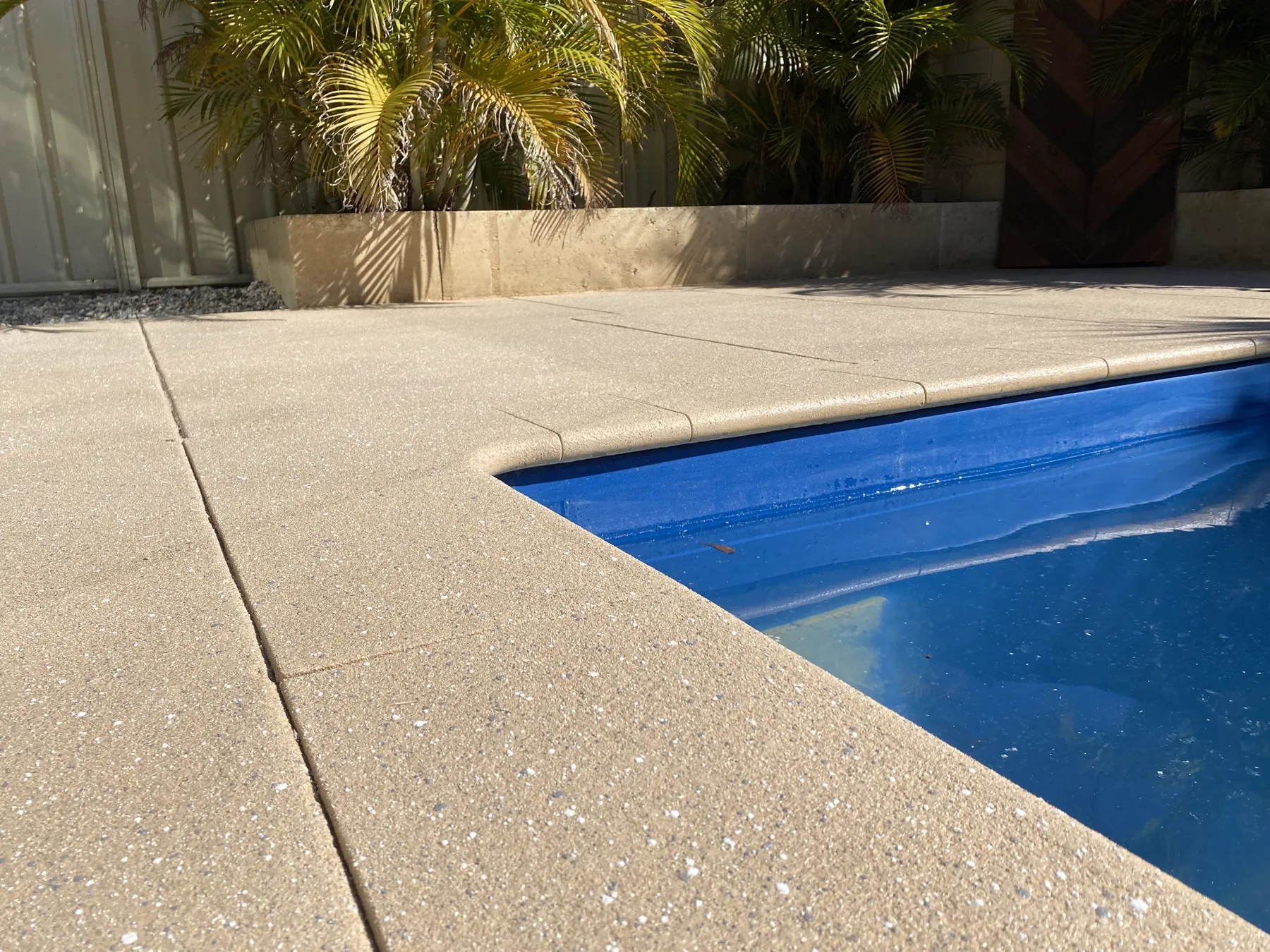
A speckled, stone-look finish that mimics exposed aggregate without exposing the slab. Reads as natural stone underfoot and hides marking well on high-traffic areas.
Plain Spray
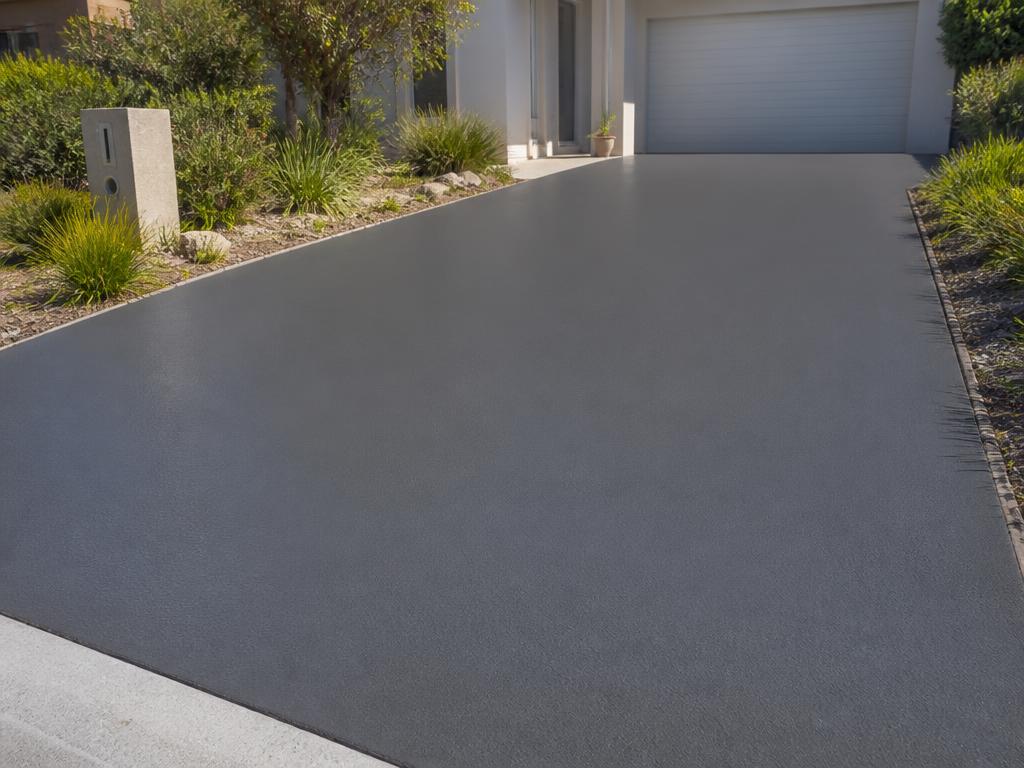
No pattern - an even sprayed colour with a sealed finish. The cleanest, most modern option, and the most forgiving on irregular or oddly shaped areas.
Process
- 01
Inspect and quote
We measure, check falls and joints, test the substrate for soundness and identify repairs before pricing a defined scope.
- 02
Prepare
Pressure clean, grind or chase where needed, degrease oil marks and cut out failed material. Preparation is where longevity is bought.
- 03
Repair and prime
Cracks are cut and filled, edges reinstated, expansion joints respected, then the slab is primed for adhesion.
- 04
Spray and pattern
The overlay is sprayed in passes and the pattern set with stencil or trowel work while the material is still green.
- 05
Colour and seal
Joint lines and base colour are set, then two coats of sealer go on - with non-slip additive where the area needs it.
Colour chart
Indicative only - screens shift colour, so final selection is made from physical sample boards on site. Each colour is an oxide that tints the base compound, used on its own or flecked with a second and third colour to read as stone.
Dulux Avista resurfacing range
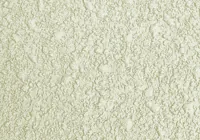 White
White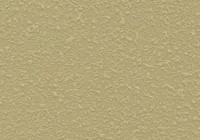 Cream
Cream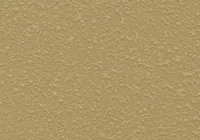 Sandy Beige
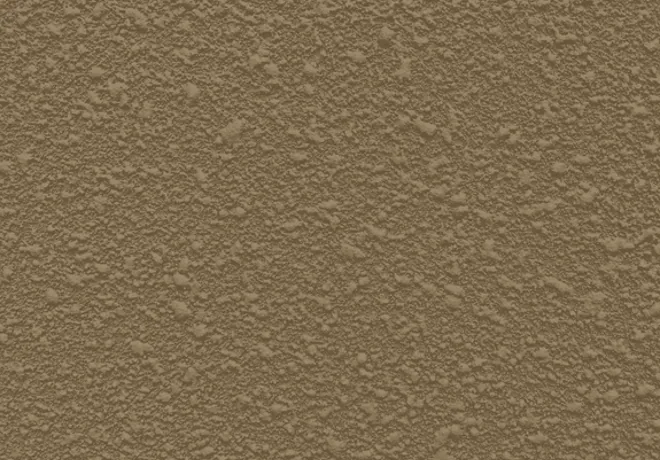 Merino
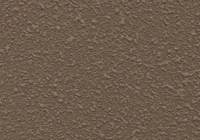 Light Mocha
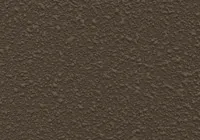 Chestnut
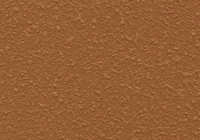 Sandstone
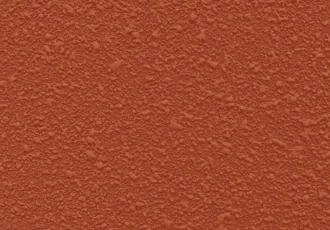 Light Terracotta
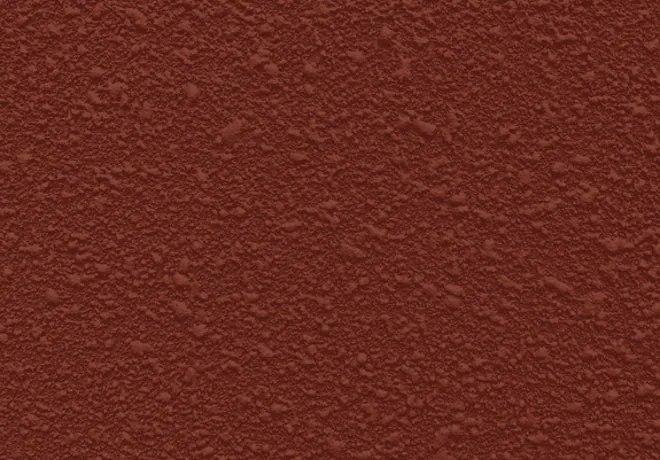 Dark Terracotta
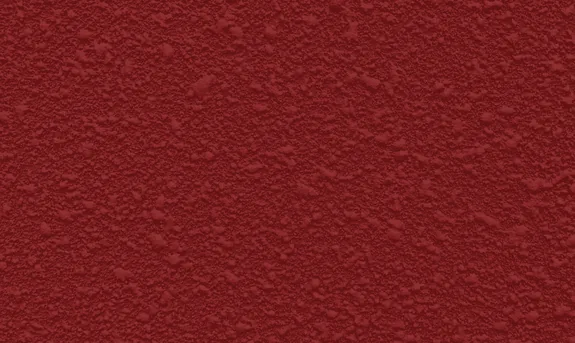 Brick Red
 Chocolate
 Jet Black
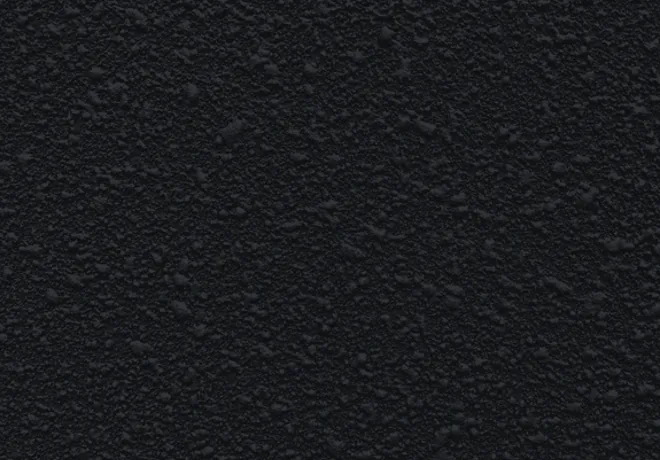 Charcoal
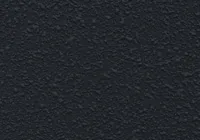 Gunmetal
 Bluestone
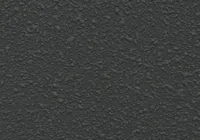 Granite
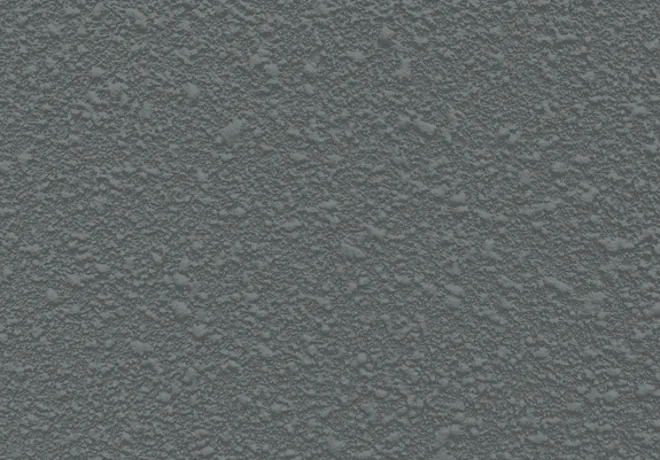 French Grey
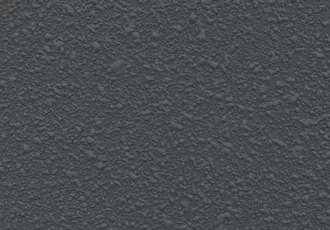 Slate Grey
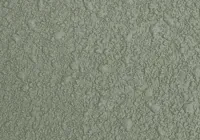 Silver Sands
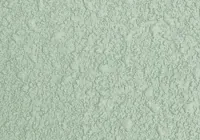 Bluegum
Perth Concrete Supplies powder tints
 White
White Pearl
Pearl Bone
Bone Cream
Cream Merino
 Oatmeal
 Sand
Sand Buff
Buff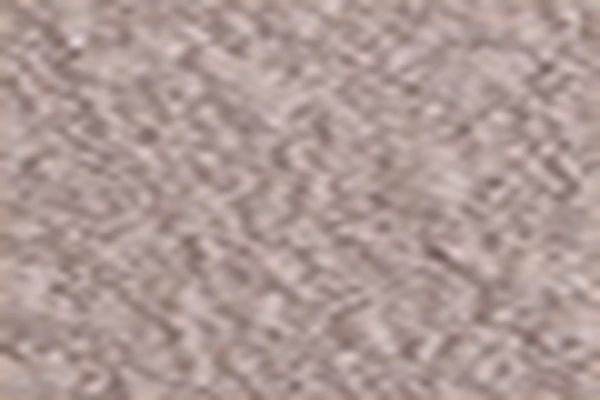 Latte
Latte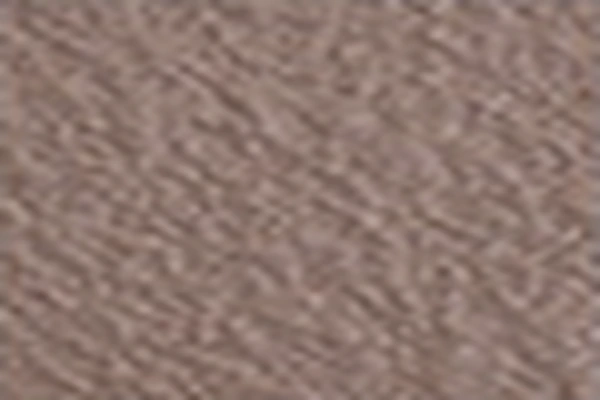 Cinnamon
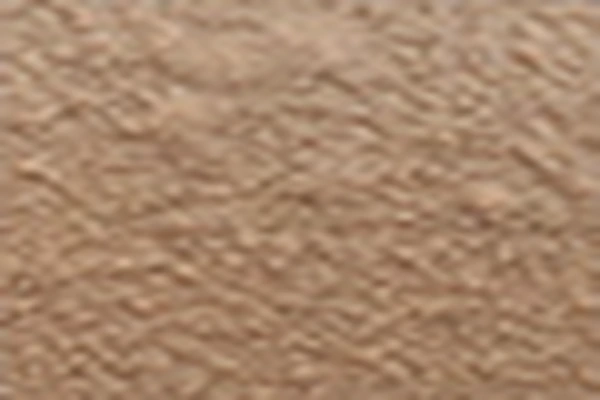 Mocha
Mocha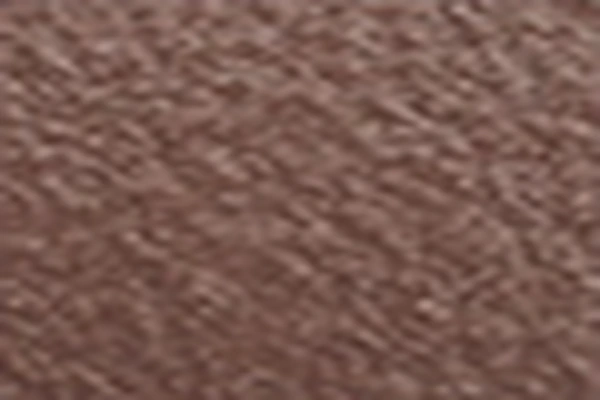 Cappuccino
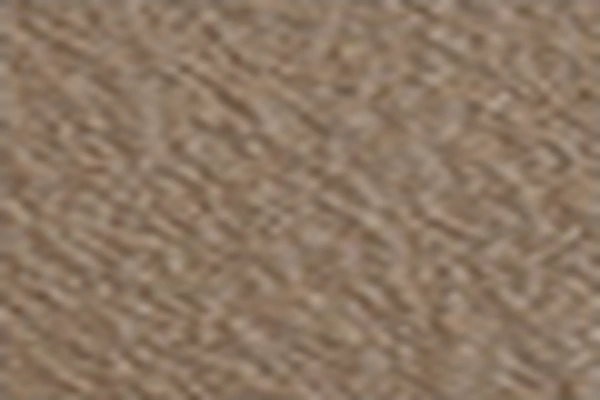 Driftwood
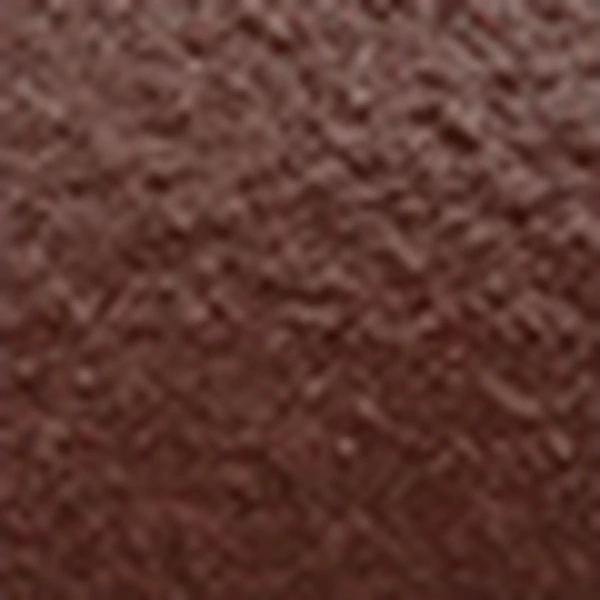 Walnut
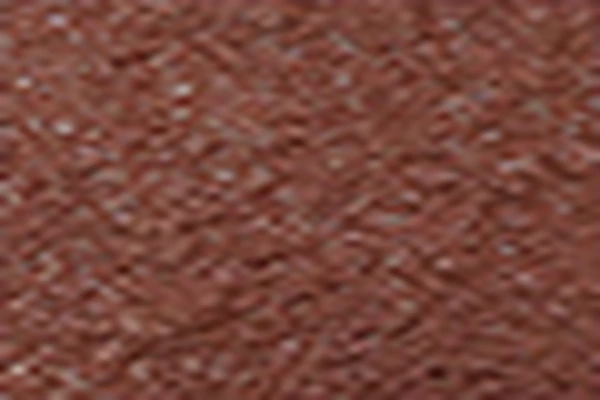 Chestnut
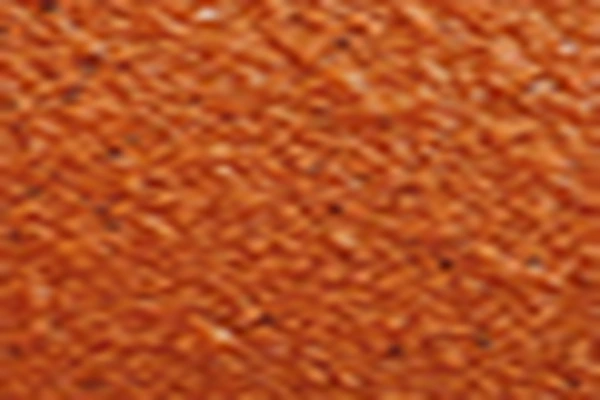 Peach
Peach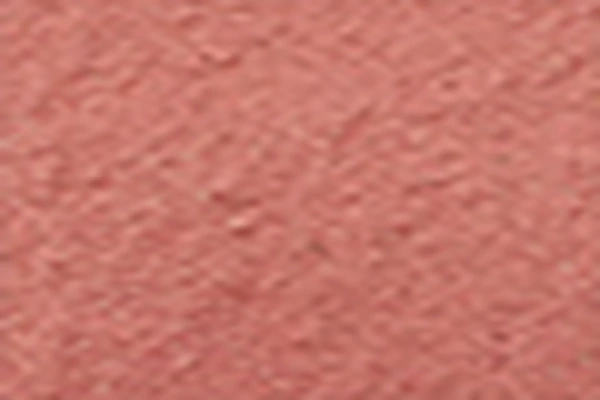 Coral
Coral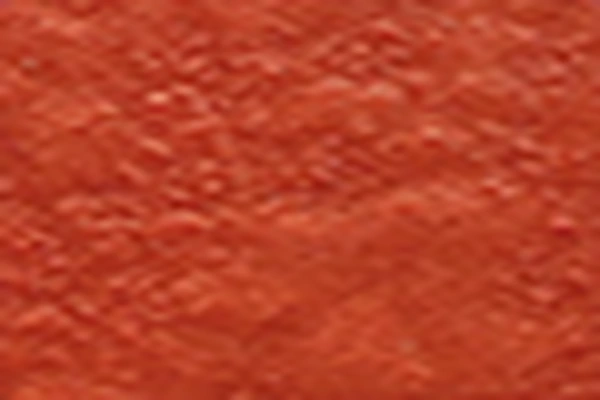 Light Terracotta
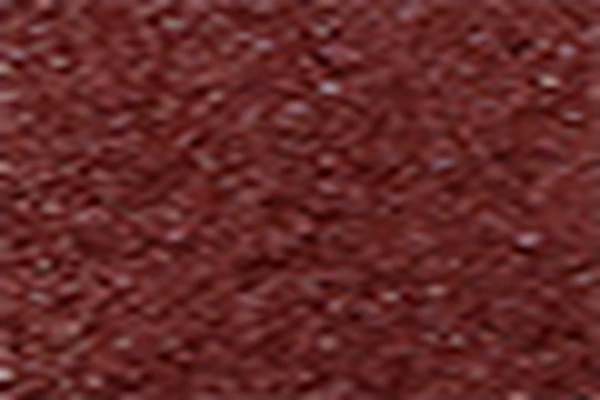 Fire Brick
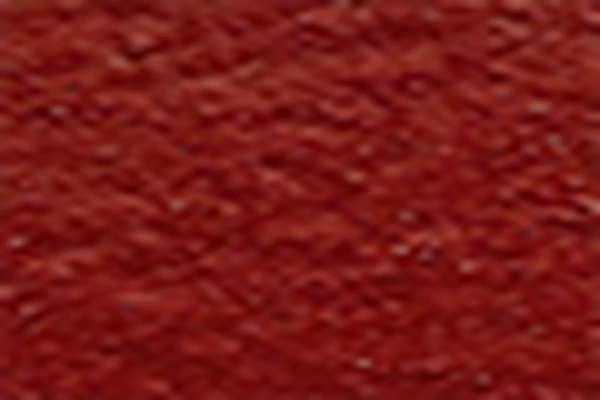 Deep Red
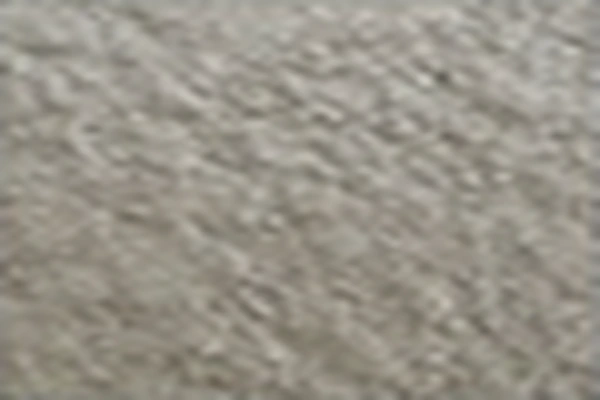 Silver Grey
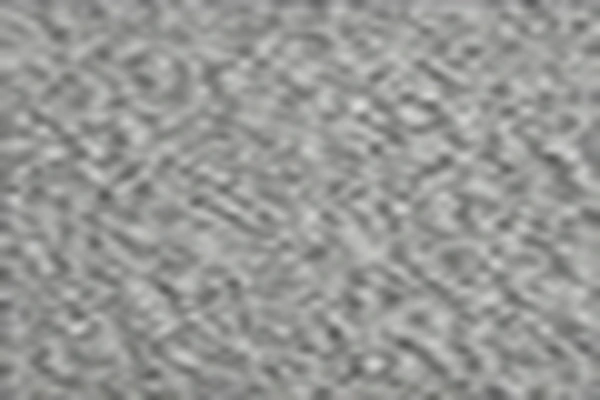 French Grey
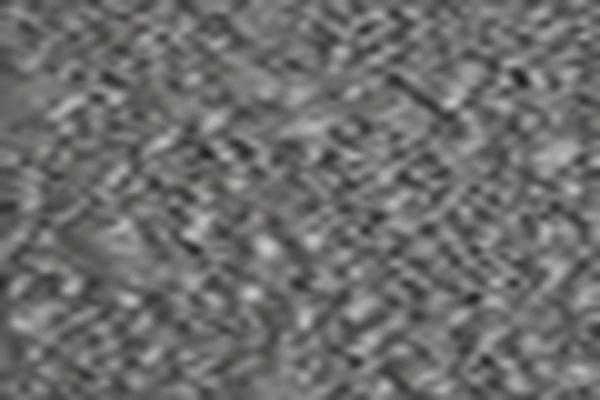 Ash Grey
 Bluegum
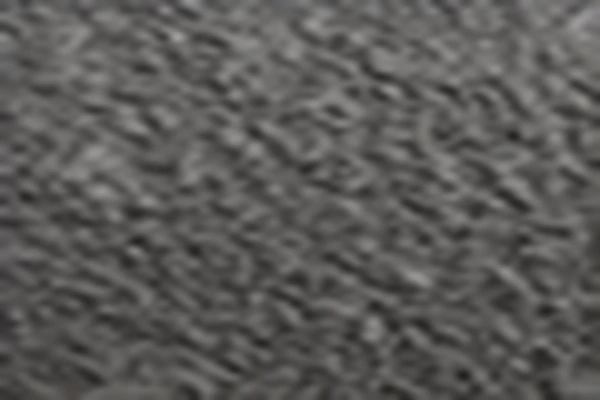 Bluestone
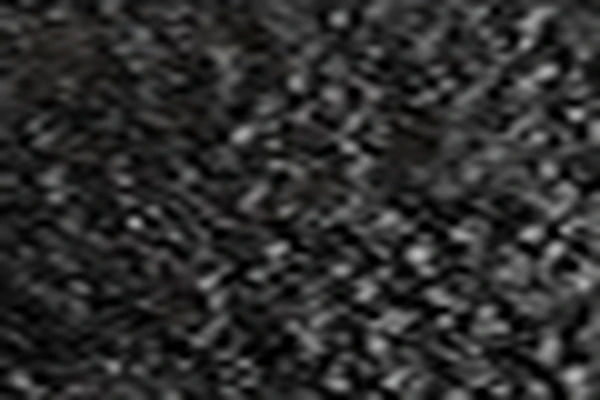 Charcoal
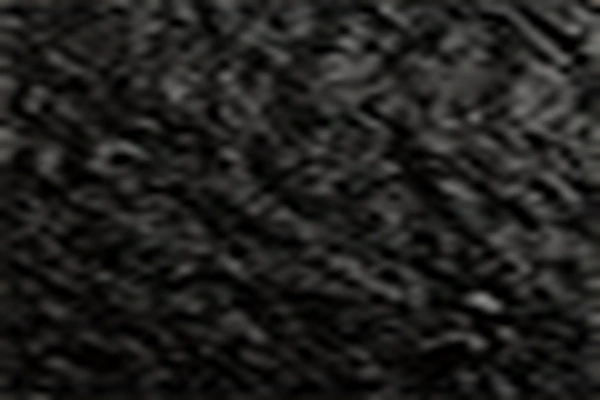 Gunmetal
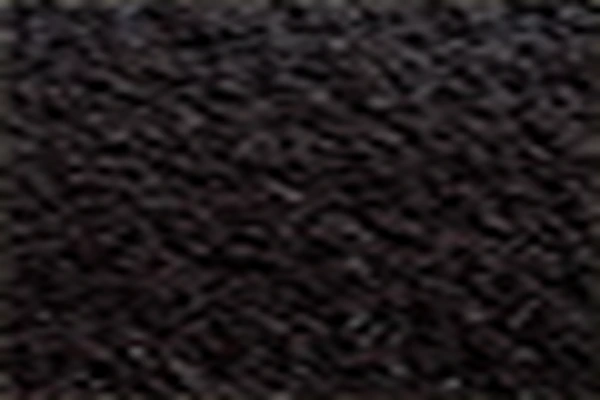 Supreme Black
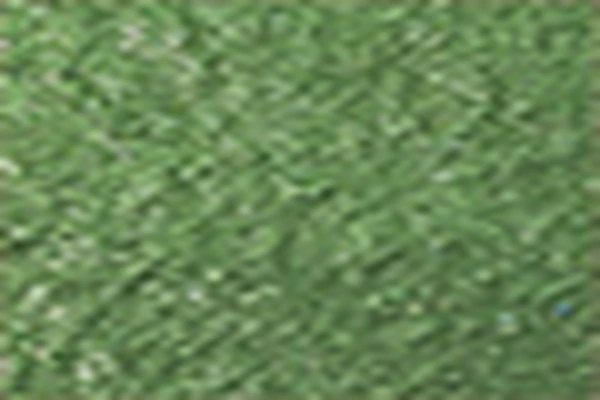 Mint
Mint Sky Blue
Stylepave Overlays colour guide
- Off White
- Ocean Sand
- Shale
- Sandy Beige
- Hazel
- Almond
- Riversand
- Silver Birch
- Natural
- Greystone
- French Grey
- Storm Grey
- Fossil
- Truffle
- Tannum
- Coral
- Tuscan Zest
- Terracotta
- Brick Red
- Red Planet
- Pale Eucalypt
- Tahiti
- Canacao
- Jaspine
- Canyon
- Forest
- Blue Mountain
- Atlantic
- Midnight Blue
- Graphite
Before & after
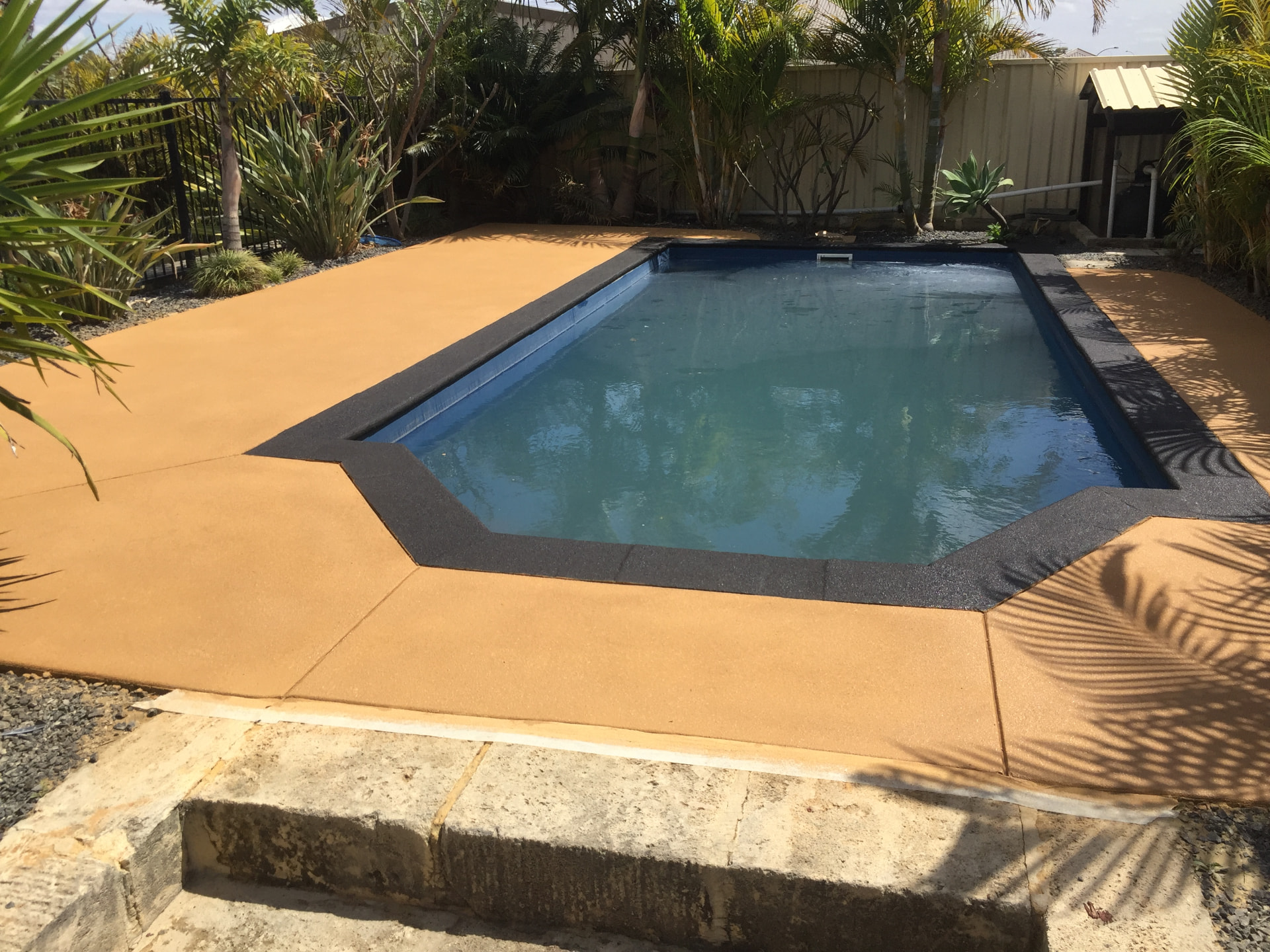
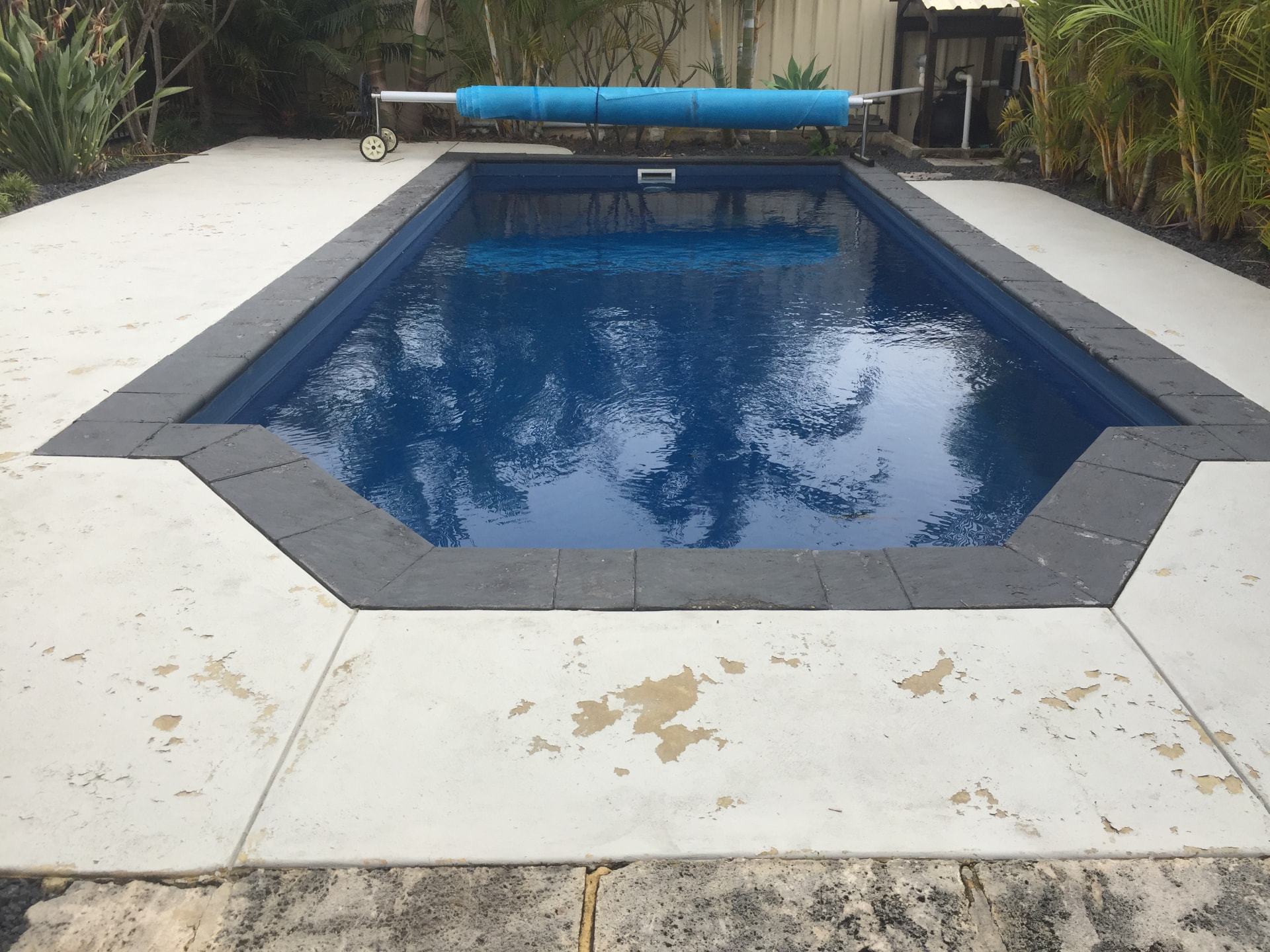
Gallery
Common questions
- How thick is a spray-on overlay?
- Only a few millimetres, plus sealer. It adds almost no height, so thresholds, gates and drainage falls are unaffected.
- Will it crack like the concrete underneath?
- An overlay follows its substrate. Existing cracks are cut out, filled and, where movement is likely, tracked into pattern joint lines so that any minor issues to the foundation are dealt with before laying stencil and sealer.
- How long before I can drive on it?
- Foot traffic is usually fine the day after sealing and vehicles after roughly three to five days depending on weather. We confirm timings on site.
- What maintenance does it need?
- Rinse it, use a pH-neutral cleaner rather than acid, and re-seal every few years.
Send us a photo. We'll tell you what your concrete needs.
Free measured quotes across Perth metro and surrounds - driveways, pool surrounds, alfrescos, paths and courtyards.
Robert Baumgarten · Perth, WA · enquires.spraypaveperth@gmail.com